
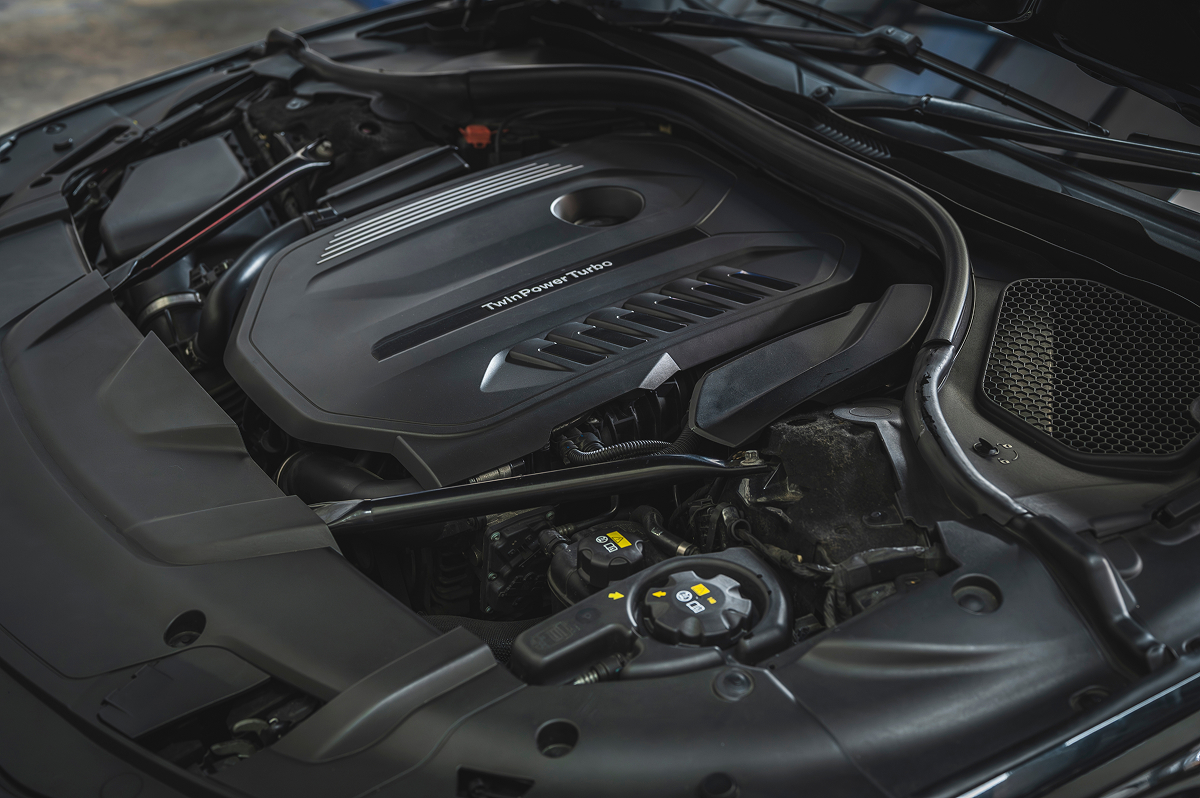
The automotive industry has undergone a paradigm shift over the last two decades, moving from traditional Port Fuel Injection (PFI) to Gasoline Direct Injection (GDI) to meet stringent efficiency mandates and consumer demand for higher performance. While GDI technology has successfully decoupled engine displacement from power output—allowing smaller engines to produce greater horsepower—it has introduced a pervasive mechanical pathology: intake valve carbon accumulation.
This report serves as an exhaustive technical resource for vehicle owners in the Colorado Springs and Centennial regions. It synthesizes data regarding the thermodynamic and chemical mechanisms of carbon deposition, analyzes the specific vulnerabilities of major automotive marques (European, Asian, and Domestic), and delineates evidence-based remediation strategies. It also contextualizes these issues within Colorado’s high-altitude operating environment.
The Evolution of Fuel Delivery: From Venturis to Piezoelectrics
To fully grasp the magnitude of the carbon buildup issue facing modern vehicle owners, one must first deconstruct the engineering evolution of internal combustion fuel delivery systems. The journey from crude carburetion to the hyper-precision of direct injection reveals a history of trade-offs, where gains in thermal efficiency often came at the cost of mechanical complexity and new maintenance requirements.
The Legacy of Port Fuel Injection (PFI)
For nearly three decades, roughly from the mid-1980s to the late 2000s, Port Fuel Injection (PFI) was the industry standard. In a PFI architecture, the fuel injector is mounted in the intake manifold runner, positioned upstream of the intake valve.
The operation is straightforward: the injector sprays fuel into the moving airstream while the intake valve is either closed or opening. This “wet manifold” approach has a significant, incidental benefit. As the air-fuel mixture rushes over the intake valve stem and the tulip (the back of the valve head) to enter the combustion chamber, the gasoline acts as a powerful solvent.3 It effectively washes away any oil vapor or particulates that may have settled on the valve components from the crankcase ventilation system. Consequently, intake valves in PFI engines typically remain clean throughout the vehicle’s service life and require little to no physical cleaning.4
However, PFI has thermodynamic limitations. Because fuel is introduced outside the cylinder, the engine designer has less precise control over the combustion event. Fuel evaporation in the intake manifold displaces air, slightly reducing volumetric efficiency, and its cooling effect is less effective at suppressing engine knock (pre-ignition) than if it occurred inside the cylinder.
The Advent of Gasoline Direct Injection (GDI)
As regulatory pressures—specifically the Corporate Average Fuel Economy (CAFE) standards in the United States and CO2 limits in Europe—intensified, engineers needed a way to extract more work from every drop of fuel. The solution was to move the point of injection directly into the combustion chamber, giving birth to Gasoline Direct Injection (GDI).
In a GDI system, the injector handles extreme pressures—often exceeding 2,000 to 3,000 PSI—to spray fuel directly into the cylinder during the compression stroke. This fundamental architectural change unlocked several critical advantages:
- Charge Cooling: The phase change of gasoline from liquid to vapor occurs inside the cylinder, absorbing latent heat and significantly lowering the temperature of the air charge. This creates a denser charge (more oxygen) and suppresses detonation.
- Higher Compression: Due to the charge cooling effect, GDI engines can run significantly higher compression ratios (often 10:1 to 12:1 or higher for turbocharged applications) compared to their PFI counterparts. This directly correlates to higher thermal efficiency and power output.
- Stratified Charge: In certain operating modes, GDI allows a “stratified charge,” where a rich pocket of fuel forms near the spark plug while the rest of the cylinder remains lean, enabling ultra-lean-burn cruising and improved fuel economy.
The Unintended Consequence: The Dry Intake
The transition to GDI eliminated the “fuel wash” effect. In a GDI engine, the intake valves are exposed exclusively to air. However, this air is not pure; it carries contaminants from the Positive Crankcase Ventilation (PCV) system and the Exhaust Gas Recirculation (EGR) system. Without the solvent action of gasoline to constantly rinse the valves, these contaminants accumulate.
Over time, the heat of the engine cooks these oily vapors into hard, crystalline carbon deposits on the valve stems and seats. This buildup disrupts the intricate airflow dynamics required for efficient combustion, leading to the driveability issues now common in millions of vehicles on the road today.
| Feature | Port Fuel Injection (PFI) | Gasoline Direct Injection (GDI) |
| Injector Location | Intake Runner (Low Pressure) | Combustion Chamber (High Pressure) |
| Fuel Pressure | ~40-60 PSI | ~2,000-3,000+ PSI |
| Valve State | “Wet” (Constantly Cleaned) | “Dry” (Prone to Deposits) |
| Compression Ratio | Limited by Knock Threshold | High (Enhanced by Charge Cooling) |
| Efficiency | Moderate | High |
| Maintenance Risk | Low Carbon Accumulation | High Carbon Accumulation |
The Physics and Chemistry of Carbon Accumulation
To address the problem effectively, one must understand the microscopic mechanisms at play. Carbon buildup is not merely “dirt”; it results from complex chemical polymerization and thermodynamic processes within the engine’s breathing system.
The Role of the PCV System
The primary source of the material that forms carbon deposits is the engine oil itself. During the combustion process, high-pressure gases squeeze past the piston rings and enter the crankcase. These gases, known as “blow-by,” contain unburned fuel, water vapor, and soot. If allowed to pressurize the crankcase, these gases would blow out oil seals and gaskets.
To manage this, the Positive Crankcase Ventilation (PCV) system vents these gases back into the intake manifold to be re-burned. However, as these gases exit the crankcase, they carry microscopic droplets of engine oil with them. In a GDI engine, this oil-laden mist flows directly over the hot intake valves.
- Thermal Decomposition: When the oil mist contacts the valve, which can operate at temperatures ranging from 200°C to over 300°C, the lighter hydrocarbon fractions evaporate, leaving behind heavier, sludge-like residues.
- Polymerization: Over time, and with continued heat exposure, these residues polymerize, linking together to form long chemical chains that harden into a stubborn, varnish-like coating known as “coke”.
Valve Overlap and Internal EGR
Modern engines utilize Variable Valve Timing (VVT) to optimize performance across the RPM band. A key strategy used is “valve overlap,” where both the intake and exhaust valves are open simultaneously for a brief moment at the end of the exhaust stroke and the beginning of the intake stroke.
- Scavenging: This overlap utilizes the momentum of the exiting exhaust gases to help pull the fresh intake charge into the cylinder.
- Reversion: However, under certain load conditions, a small amount of exhaust gas can flow backwards (revert) into the intake port. This exhaust gas is rich in particulate matter (soot).
- The Glue: The soot particles from the exhaust reversion collide with the sticky oil film deposited by the PCV system on the intake valves. The oil acts as a binder, trapping the soot and rapidly accelerating the growth of the carbon deposits.
The Turbocharging Factor
Turbocharging, now ubiquitous in GDI applications (e.g., Ford EcoBoost, VW TSI, BMW N-series), exacerbates the issue. Turbochargers pressurize the combustion chamber, which increases the volume of blow-by gases entering the crankcase. This places a higher load on the PCV system, often overwhelming the oil separators and allowing a greater volume of oil vapor to pass into the intake tract. Furthermore, the turbocharger itself can leak small amounts of oil past its shaft seals directly into the intake air stream, adding another source of hydrocarbon contamination.
Why the “Italian Tune-up” is Obsolete
A persistent myth in automotive culture is the “Italian Tune-up”—the idea that driving a car aggressively at high RPMs will burn off carbon deposits. While this had merit for carbureted or older PFI engines where deposits formed primarily in the combustion chamber or on spark plugs, it is largely ineffective for GDI intake valve deposits.
- Temperature Thresholds: To thermally decompose (burn off) established carbon deposits, surface temperatures generally need to exceed 325°C to 400°C.
- GDI Reality: Intake valves in GDI engines are continuously cooled by the incoming air charge. Even under hard driving, the valves rarely reach the temperatures necessary to incinerate the hardened deposits on the valve stem and tulip.
- Conclusion: Once deposits harden, no amount of aggressive driving will remove them. Mechanical intervention becomes the only viable solution.
Diagnostics: Identifying the Silent Performance Killer
Carbon buildup is insidious; it accumulates slowly over tens of thousands of miles, gradually degrading performance in ways many drivers may not notice until a specific threshold is crossed. Aspen Auto Clinic employs a multi-faceted diagnostic approach to identify this condition before it leads to catastrophic failure.
The Symptom Matrix
Cold Start Misfires
This is the most common early warning sign. When the engine is cold, the carbon deposits are hard and porous. They act like a sponge, absorbing a portion of the initial air charge and disrupting the tumbling motion of the air as it enters the cylinder. This creates a heterogenous mixture that is difficult to ignite, leading to misfires.
- Driver Experience: The vehicle may shudder, shake, or idle roughly for the first 60 to 120 seconds after a cold start. As the engine warms up, the deposits heat up, and the engine management system enters closed-loop operation, often smoothing out the idle.
Power Loss and Hesitation
As the deposits thicken, they physically reduce the cross-sectional area of the intake port. This acts as a restrictor plate, limiting the volume of air the engine can ingest.
- Driver Experience: The vehicle feels sluggish, particularly during passing maneuvers or highway merging. There may be a noticeable “flat spot” in acceleration where the engine hesitates before responding to throttle input.
Degraded Fuel Economy
The engine control unit (ECU) attempts to compensate for the disrupted airflow and poor combustion stability by adjusting fuel trims. Furthermore, the engine must expend more pumping work to draw air through the restricted ports, lowering overall efficiency.
- Driver Experience: A gradual, unexplained drop in miles per gallon (MPG) over time, often amounting to a 10-15% reduction.
Diagnostic Trouble Codes (DTCs)
While carbon buildup does not have a unique “carbon code,” it triggers a recognizable pattern of generic faults:
- P0300 (Random/Multiple Cylinder Misfire): Indicates combustion instability across multiple cylinders.
- P0301 – P0308 (Specific Cylinder Misfire): Often, cylinders furthest from the PCV inlet may have different buildup rates, causing isolated misfires.
- P0171 / P0174 (System Too Lean): Severe restriction can distort Mass Air Flow (MAF) sensor readings or disrupt the expected air/fuel model, causing the ECU to flag a lean condition.
- P0507 (Idle Control System RPM Higher Than Expected): Turbulence caused by deposits can confuse the idle control logic.
At Aspen Auto Clinic, we move beyond code reading to visual confirmation.
- Borescopy: By removing a sensor or the intake manifold, technicians can insert a high-definition borescope to visually grade buildup severity on a scale (typically 1 to 5).
- Fuel Trim Analysis: We monitor Long Term Fuel Trim (LTFT) and Short Term Fuel Trim (STFT). High positive fuel trims at idle that normalize at higher RPMs can indicate intake restriction or vacuum leaks often associated with carbon issues.
Manufacturer-Specific Analysis: Vulnerabilities and Maintenance
The severity and onset of carbon buildup vary significantly by manufacturer, driven by differences in PCV design, operating temperatures, and valve timing strategies.
European Platforms: The Early Adopters
European manufacturers were among the first to mass-adopt GDI to meet Euro emissions standards. Consequently, they have the most extensive history with carbon-related issues.
BMW (N54, N55, B58 Engines)
BMW’s transition to direct injection brought legendary performance but significant maintenance requirements.
- N54 Engine (3.0L Twin Turbo): Found in 2007-2010 335i, 135i, and 535i models. This engine is notorious for rapid carbon accumulation. The PCV system is prone to overwhelming, and the high heat of the twin-turbo setup bakes deposits quickly.
- Maintenance Interval: Walnut blasting is recommended every 30,000 to 40,000 miles.
- Symptoms: Rough idle, “Service Engine Soon” light, and significant power loss are common if neglected.
- N55 Engine (3.0L Single Turbo): Introduced in 2011, the N55 featured an improved PCV system integrated into the valve cover. While better, it is not immune.
- Maintenance Interval: Cleaning is typically required every 50,000 to 70,000 miles.
- B58 Engine (3.0L Modular): The current generation (2016+) has further refined oil separation, but as a purely GDI engine, long-term buildup remains a factor to watch.
Mini Cooper (N14 vs. N18)
The R56 generation Mini Cooper S is a textbook case study in carbon issues.
- N14 Engine (2007-2010): This Peugeot-sourced engine has a severe reputation. Carbon buildup can bridge the gap between the valve and seat, preventing the valve from closing fully. This leads to compression loss and burnt valves. Buildup can be critical as early as 30,000 miles.
- N18 Engine (2011+): BMW updated this engine with Valvetronic (variable valve lift) and a redesigned PCV system. While “coking” is less aggressive, it is still a maintenance item to be addressed around 50,000 miles.
- 4.1.3 Volkswagen & Audi (TSI / TFSI)
The EA888 and EA113 engine families power millions of vehicles (GTI, Jetta, A3, A4, Q5).
- The Issue: These 2.0L turbo engines suffer from “Cold Start Misfires” as a primary symptom. The intake manifold runner flaps (tumble flaps) can also become coated in carbon, causing them to stick and triggering specific codes (P2015).
- Maintenance Interval: A “decarbonization” service is widely recommended between 40,000 and 60,000 miles to maintain factory performance.
Asian Platforms: The GDI Expansion
Japanese and Korean manufacturers adopted GDI later but have faced significant hurdles, particularly with specific engine families.
Hyundai & Kia (Theta II / Gamma GDI)
Hyundai and Kia have aggressively rolled out GDI across their lineup (Sonata, Optima, Santa Fe, Sorento, Veloster).
- The Challenge: These engines (1.6L Turbo, 2.0L Turbo, 2.4L GDI) run high combustion temperatures and utilize aggressive EGR strategies for emissions. This combination accelerates deposit formation.
- Critical Failures: Excessive carbon can lead to Low Speed Pre-Ignition (LSPI), a phenomenon where glowing carbon embers ignite the fuel mixture prematurely, causing massive pressure spikes that can crack pistons or bend connecting rods.
- Interval: Mechanical cleaning or aggressive chemical induction is recommended by 60,000 miles. Many master technicians advocate for induction services every 15,000 to 30,000 miles as a preventative measure.
Subaru (FA / FB Engines)
The shift from the EJ series (PFI) to the FA series (GDI) in the WRX (2015+) and Forester XT brought carbon issues to the boxer engine.
- Sensitivity: The FA20DIT engine is highly sensitive to knock. Carbon deposits create “hot spots” in the cylinder and restrict airflow, causing the ECU to pull timing (drop the Dynamic Advance Multiplier or DAM), resulting in noticeable power loss.
- Interval: Walnut blasting is becoming a standard 60k-mile service for WRX owners seeking to maintain peak boost and timing advance.
The Toyota Solution (D-4S)
Toyota (and select Lexus models) engineered a hybrid solution known as D-4S (Direct-injection 4-stroke Superior).
- Mechanism: These engines utilize both port injectors and direct injectors. Under low-load conditions (idle, cruising), the port injectors fire, washing the intake valves with fuel. Under high load, the direct injectors take over for maximum power.
- Result: Engines with D-4S (e.g., 2GR-FKS in Tacoma/Lexus IS350, FA24 in BRZ/GR86) are largely immune to the heavy carbon buildup plaguing pure GDI competitors.
Domestic Platforms: Ford EcoBoost
Ford’s EcoBoost strategy replaced large V8s with turbocharged V6s and I4s.
- 3.5L EcoBoost (F-150): The first generation (2011-2016) was pure DI and suffered from buildup that could affect idle smoothness and towing power.
- Evolution: Recognizing the issue, Ford updated the 3.5L EcoBoost in 2017 to include dual-injection (Port + Direct), largely solving the valve cleaning issue for newer trucks. However, millions of first-gen engines remain on the road requiring attention.
Remediation Strategies: Restoring Engine Breath
When diagnostics confirm carbon buildup, adding a bottle of cleaner to the gas tank is ineffective because fuel never reaches the intake valves in a GDI engine. Physical intervention is required. Aspen Auto Clinic offers tiered solutions ranging from preventative maintenance to full mechanical restoration.
Walnut Shell Blasting: The Gold Standard
Walnut shell blasting is the industry-recognized, manufacturer-approved method for removing carbon deposits from intake valves. It is the only way to achieve a “like-new” clean without removing the cylinder head.
The Technical Process
- Preparation: The technician removes the intake manifold, exposing the intake ports on the cylinder head.
- Valve Closing: The technician manually rotates the crankshaft to ensure the intake valves for the cylinder being worked on are completely closed. This critical safety step prevents media from entering the combustion chamber.38
- Blasting: A specialized adapter, contoured to the intake port’s specific shape, is attached. This adapter lets you insert a blasting wand while simultaneously connecting to a high-volume industrial vacuum.
- Media Impact: Crushed walnut shells—a biodegradable abrasive that is harder than carbon but softer than aluminum and steel—are blasted into the port at high pressure (approx. 100 PSI).
- Extraction: The shells shatter the brittle carbon deposits upon impact. The vacuum immediately extracts the used shells and carbon dust.
- Verification: The process repeats until the valve stem and port metal is clean. The technician then moves to the next cylinder.
Why Walnut Shells?
Walnut shells are used because they are non-corrosive and, crucially, combustible. If a small fragment is left behind and enters the cylinder, it will burn up during combustion without damaging the cylinder walls or catalytic converter.
Cost vs. Benefit
While labor-intensive, the cost (typically $500–$900 depending on cylinder count and access) is a fraction of the cost of cylinder head removal. The results are immediate: restored horsepower, smoother idle, and improved fuel economy.
Chemical Induction Cleaning
For maintenance or mild cases, Aspen Auto Clinic employs professional-grade chemical induction services (e.g., BG GDI Service, CRC Intake Valve Cleaner).
- Mechanism: A specialized apparatus introduces a potent chemical solvent mist into the intake tract while the engine is running. The solvent chemically softens and dissolves the deposits, which are then burned in the combustion chamber.
- Limitations: This method is effective for soft, oily deposits but struggles to remove thick, baked-on “coke.” It is best used as a preventative maintenance service every 15,000 to 30,000 miles.
- Risks: On heavily carboned engines, aggressive chemical cleaning can cause large chunks of carbon to break loose. These chunks can impact a turbocharger’s turbine wheel or clog the catalytic converter. Therefore, on high-mileage engines with no prior cleaning history, walnut blasting is the safer and more effective option.
Ultrasonic Injector Cleaning
While walnut blasting addresses the valves, the GDI injectors themselves reside in the combustion chamber and are prone to tip fouling. Carbon accumulation on the injector tip distorts the spray pattern, leading to “fuel wetting” (fuel hitting the cylinder wall instead of vaporizing), which dilutes the engine oil.
- Restoration: Aspen Auto Clinic can remove injectors and perform ultrasonic cleaning and flow testing to ensure each cylinder receives the correct amount of fuel, balancing the engine’s power output.
Prevention and Maintenance: The Colorado Protocol
Colorado drivers face unique challenges. The high altitude (6,000+ feet in Colorado Springs) means air density is approx. 17-20% lower than at sea level. Turbochargers must spin faster to achieve the same manifold pressure, generating more heat and stress. Furthermore, extreme temperature swings can increase condensation in the crankcase.
The Critical Role of Engine Oil (NOACK Volatility)
Preventing carbon starts with the oil. Since oil vapor is the primary “feedstock” for carbon deposits, limiting vaporization is key.
- NOACK Volatility: This specification measures the percentage of oil that evaporates at 250°C.40 High NOACK oils (cheap bulk oils) evaporate readily, filling the PCV system with vapor that ends up on your valves.
- Recommendation: Aspen Auto Clinic recommends high-quality synthetic oils with low NOACK scores (typically <10%, ideally <6%). Brands like Amsoil, Red Line, and Liqui Moly are formulated to resist high-temperature shear and evaporation.
The 5,000-Mile Oil Change
Manufacturer intervals of 10,000 or 15,000 miles are designed for “ideal” conditions and to lower the perceived “cost of ownership.” They are not designed for engine longevity in GDI applications, especially in severe service environments like Colorado.
- The Logic: As oil ages, fuel dilution and shearing lower its flash point, making it more volatile. Old oil creates more vapor, leading to faster carbon buildup.
- The Aspen Standard: We strongly advise an oil change interval of 5,000 to 7,500 miles. This keeps the oil stable and reduces the vapor load on the PCV system.
Top Tier Gasoline
While fuel does not wash the intake valves in a GDI engine, fuel quality remains critical.
- Injector Health: Top Tier fuels (e.g., Shell, Costco, Chevron) contain higher concentrations of Polyetheramine (PEA) detergents. These keep the injectors clean. A clean injector atomizes fuel better, producing less soot. Less soot means less particulate matter for the PCV oil vapor to stick to.
Oil Catch Cans / Air-Oil Separators
For enthusiasts or owners of high-performance GDI vehicles (WRX, GTI, 335i), installing an Oil Catch Can is a prudent modification.
- Function: This device is plumbed into the PCV line between the crankcase and the intake manifold. It uses baffles or bronze filters to physically separate oil mist from the air, trapping the oil in a canister while allowing clean air to pass into the engine.
- Efficacy: While not a cure-all, a quality catch can significantly slow the rate of carbon accumulation. It requires periodic draining, typically at every oil change.
Aspen Auto Clinic: Your Regional GDI Experts
Aspen Auto Clinic combines the technical capability of a dealer with the customer-focused approach of a local business. Our investment in specialized tooling—from walnut blasters to factory-level scan tools—allows us to diagnose and resolve GDI issues accurately.
Location-Specific Expertise
| Location | Address | Specialization & Capabilities |
| Jet Stream | 1755 Jet Stream Dr, Colorado Springs, CO 80921 | Serving the Northgate and Air Force Academy community. Specialists in European (BMW, Audi) and Domestic fleets. Equipped for advanced diagnostics. 46 |
| Union | 1619 N Union Blvd, Colorado Springs, CO 80909 | Centrally located. High volume service center with deep expertise in Asian imports (Hyundai, Kia, Subaru) and GDI induction services. |
| Tutt | 4055 Tutt Blvd, Colorado Springs, CO 80922 | Serving the Powers corridor. Comprehensive care for all makes, with specific focus on Japanese import maintenance and timing systems. |
| Mark Dabling | 4401 Mark Dabling Blvd, Colorado Springs, CO 80907 | Convenient I-25 access. Specialists in Domestic trucks and fleet maintenance, addressing EcoBoost and GM GDI issues. |
| Fraser | 7390 S Fraser St, Centennial, CO 80112 | Serving the Denver Tech Center and South Denver. Focused on luxury import care, offering dealership-level walnut blasting and precision repair. |
The Aspen Guarantee
- Warranty: We stand behind our work with a Limited Lifetime Warranty on many repairs, offering peace of mind that exceeds typical dealer offerings.47
- Transparency: We utilize Digital Vehicle Inspections (DVI). You won’t just be told you have carbon buildup; you will see photos of your intake valves sent directly to your phone.49
- Comfort & Convenience: We respect your time. With complimentary Uber/Lyft rides, shuttle service, and loaner cars, we ensure your life doesn’t stop because your car needs service. Our waiting rooms are designed for comfort and feature Wi-Fi, snacks, and beverages.
Conclusion: A Call to Proactive Care
The transition to Direct Injection has brought us vehicles that are more powerful and efficient than ever before. However, it has also changed the rules of maintenance. Carbon buildup is an engineering reality of the modern internal combustion engine—a trade-off for the performance we enjoy.
For the owner of a VW GTI, a Mini Cooper, a BMW 3-series, or a Kia Optima, carbon cleaning is not an “upsell”; it is a necessary service to maintain the vehicle’s heart. Ignoring it leads to a gradual decline in the driving experience, followed by potentially costly repairs to valves, pistons, and turbochargers.
Summary of Recommendations:
- Change Oil Frequently: Stick to a 5,000–7,500 mile interval using low-volatility synthetic oil.
- Use Top Tier Fuel: Protect your injectors to reduce soot generation.
- Monitor Your Mileage: If you are approaching 40,000–60,000 miles, plan for a GDI induction service or walnut blasting.
- Listen to Your Car: Don’t ignore a rough cold idle or a subtle loss of power.
Aspen Auto Clinic is ready to help you navigate these maintenance needs. With our team of ASE-certified experts and state-of-the-art equipment, we can restore your engine’s performance and efficiency.
